
You Don't Get to Pick
/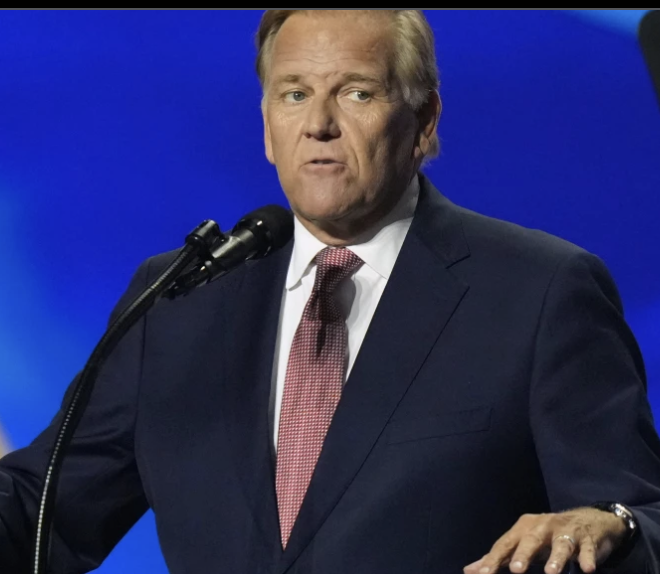
In the modern political arena, it has become all too fashionable for candidates to throw a penalty flag on the referees before the game even starts. The latest example comes out of Michigan’s high-stakes U.S. Senate race, where Republican nominee Mike Rogers opted to skip a Fox 2 Detroit debate/town hall, pointing a finger at moderator Roop Raj and citing alleged bias toward his Democratic opponent, Abdul El-Sayed.
Rogers’ campaign argued that Raj had previously shown favoritism toward El-Sayed, pointing to past comments and social media interactions as proof that the playing field was tilted. As a result, El-Sayed stood on stage alone next to an empty podium, taking questions while his opponent sat the night out.
Let’s get one thing straight: politicians do not get to pick who moderates a debate, and nor should they.
If you are running for public office—let alone the United States Senate—you are asking the voters to trust you to represent them in the halls of power, deal with hostile foreign leaders, negotiate multi-billion-dollar legislation, and answer tough questions from reporters, constituents, and critics who may not share your worldview.
If a candidate is so fragile or strategically insulated that they refuse to take a stage simply because they don't like the journalist asking the questions, it begs a serious question: How do they expect to handle the actual job?
Journalism isn't a PR firm, and moderators aren't handpicked by campaign managers to coddle candidates. Sure, media bias is a real and frequently debated topic in modern broadcasting. Networks make mistakes, anchors say things they shouldn't, and campaigns have every right to lobby for fair formats or call out perceived unfairness. But boycotting an event entirely because you're worried about a tough or unfriendly moderator is a terrible look. It projects weakness, not strength.
Voters see right through the "referee blaming." When a candidate bails on a debate because they don't like the makeup of the broadcast team, it looks less like a principled stand against bias and more like an evasion tactic to dodge hard questions about the issues.
If you want to work in politics, you have to be able to deal with all people—not just the friendly faces on your own side of the aisle, not just the sympathetic interviewers, and certainly not just the moderators your campaign vetted and approved.
The voters deserve to see their prospective leaders tested, pressured, and pushed out of their comfort zones. Candidates who run away from the microphone the moment the spotlight gets uncomfortable are doing a disservice to the very people they are asking to hire them.