
He Quit TV News to Try Something that Many of You have Thought of Doing
/
Another major market TV talent is trading the anchor desk for the digital wild west, and it’s a trend that every local television journalist across the country should be watching closely.
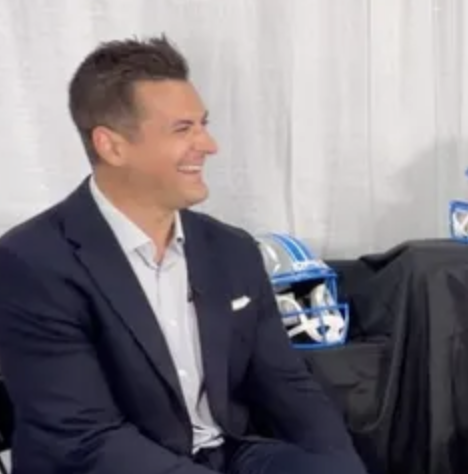
Brad Galli, a staple of Detroit television who spent 15 years rising through the ranks at WXYZ, has officially launched his next act. Exactly one month after walking away from his sports director gig at the Scripps-owned station, Galli announced the debut of his independent digital venture, a mobile-first project simply titled "The Brad Galli Show."
Instead of fighting for precious seconds on a traditional 6:00 PM newscast, Galli is taking his brand directly to the screens people are actually looking at all day. His new show is bypassing traditional broadcast entirely, launching simultaneously across YouTube, Facebook, Instagram, X, and TikTok. He is betting big that his local equity, three Michigan Sportscaster of the Year awards, and deeply rooted connections can pull an audience away from the TV set and onto their phones.
For station groups and general managers nationwide, this should serve as a flashing yellow light. For years, local TV management has leaned on the idea that the station's call letters are the ultimate draw. But as legacy viewership continues to fracture, the industry is seeing a massive power shift. Viewers are increasingly loyal to the individual personalities they trust, not the corporate brand plastered on the microphone flag.
Galli is the latest high-profile example of a broadcast veteran realizing that if they have to build a digital audience anyway—something stations constantly push their talent to do on their own time—they might as well own the sandbox they are playing in. His debut lineup features heavyweight local names like Barry Sanders and Tigers legends Alan Trammell and Lou Whitaker, proving that the gatekeepers of sports access care about the reporter, not the channel number.
Leaving a legacy, top-15 market station after a decade and a half is a massive gamble, but it represents the exact crossroads so many local newsrooms are facing right now. As budgets tighten and stations demand more content for fewer resources, top-tier talent is looking at the freedom of the online world and asking themselves why they are still waiting for a cue light to turn on.
Whether Galli’s independent model becomes a wildly lucrative blueprint or a cautionary tale remains to be seen, but the era of the local TV anchor being confined to a studio schedule is rapidly coming to an end. The talent is realizing they can take the audience with them, one smartphone at a time.