
Why Nexstar and Sinclair Have Gone Silent This Time
/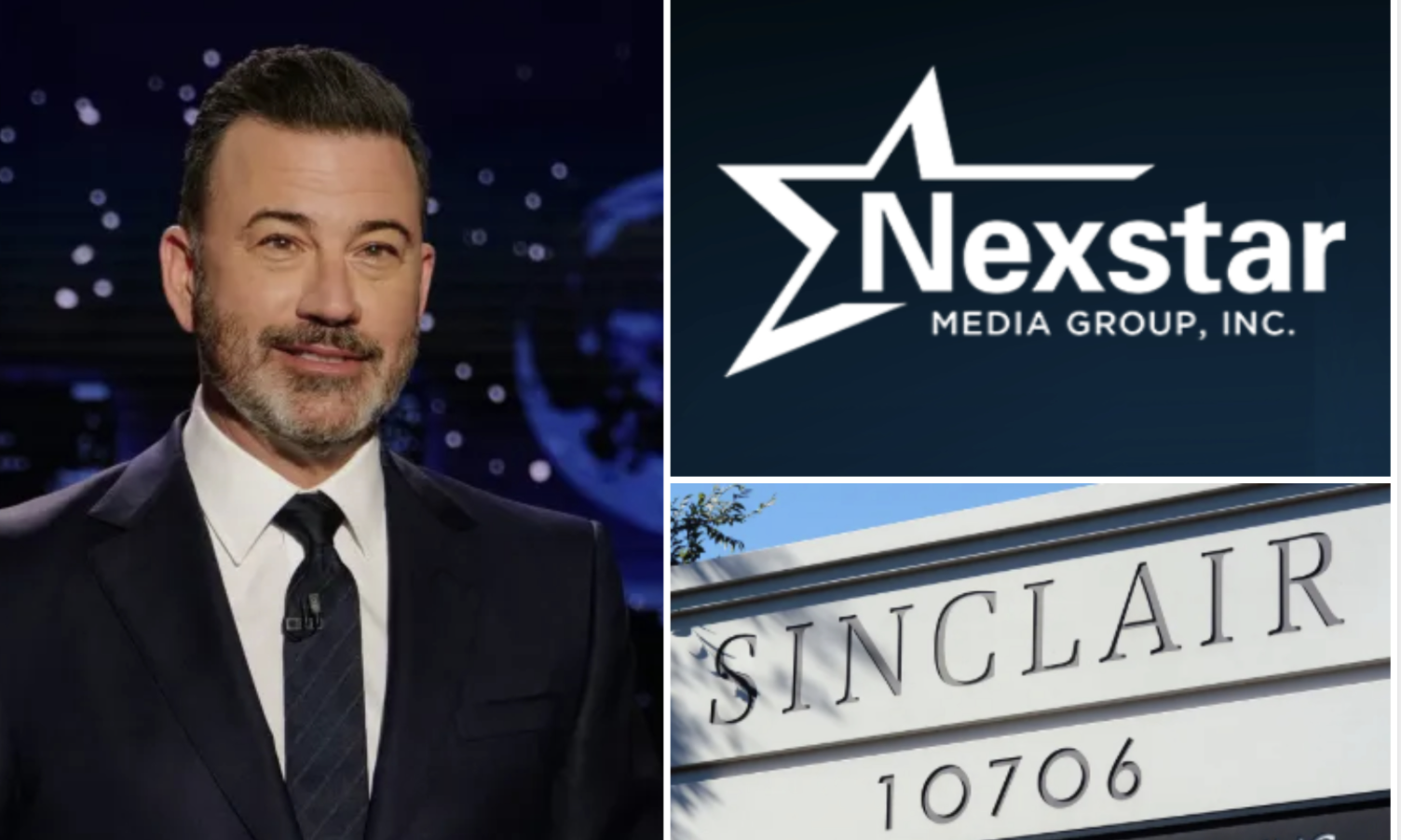
In the volatile intersection of broadcasting and politics, the silence from the executive suites at Nexstar and Sinclair is often louder than a press release. As Donald Trump and the FCC ramp up their rhetoric against ABC and late-night host Jimmy Kimmel, the industry is noticing a stark contrast to the events of last September. During that previous skirmish, the two conservative-leaning station groups were quick to threaten preemptions after Kimmel’s controversial remarks regarding Charlie Kirk. At the time, many saw the move as a calculated play to curry favor with the Trump administration while seeking regulatory approvals. This time, however, the airwaves remain undisturbed and the corporate offices are staying uncharacteristically mum.
The primary reason for this strategic retreat appears to be a cold, hard look at the fine print of network affiliation agreements. Following the "Kimmelgate" fallout, where Disney’s handling of the situation was internally viewed as suboptimal, ABC has reportedly moved to protect its turf. Sources indicate that the network has privately emphasized its intent to strictly enforce station agreements. For Nexstar and Sinclair, preempting network programming isn't just a political statement; it is now a potential breach of contract that could lead to costly legal battles with a network that has reaffirmed its dominance over its affiliates.
Furthermore, the regulatory landscape has shifted significantly since last fall. In September, Nexstar was aggressively lobbying for the Trump administration’s blessing on its Tegna takeover bid and seeking a waiver of broadcaster ownership rules. With those approvals now secured, the "favor-seeking" phase of their political strategy has effectively concluded. The leverage that the administration once held over these broadcasters has changed shape, and the urgency to perform political theater for the FCC has dissipated along with the pending paperwork.
The tables have also turned in the courtroom, creating a new set of risks for broadcasting giants. While the Trump administration may have signed off on recent deals, Democratic state attorneys general are now challenging them in court. Media analysts point out that if Nexstar were to preempt Kimmel today, it would provide ammunition for antitrust advocates. Blocking consumer access to specific programming could be used as a primary example of how consolidated media power harms the public interest. In front of a judge deciding the fate of a multi-billion dollar merger, a politically motivated preemption is a look that neither Nexstar nor Sinclair can afford right now. Ultimately, while the executives may still harbor personal or political disdain for late-night satire, the combination of rigid legal contracts and the need to defend their business expansion in court has forced a period of pragmatic, strategic silence.