
Trolling the Anchor
/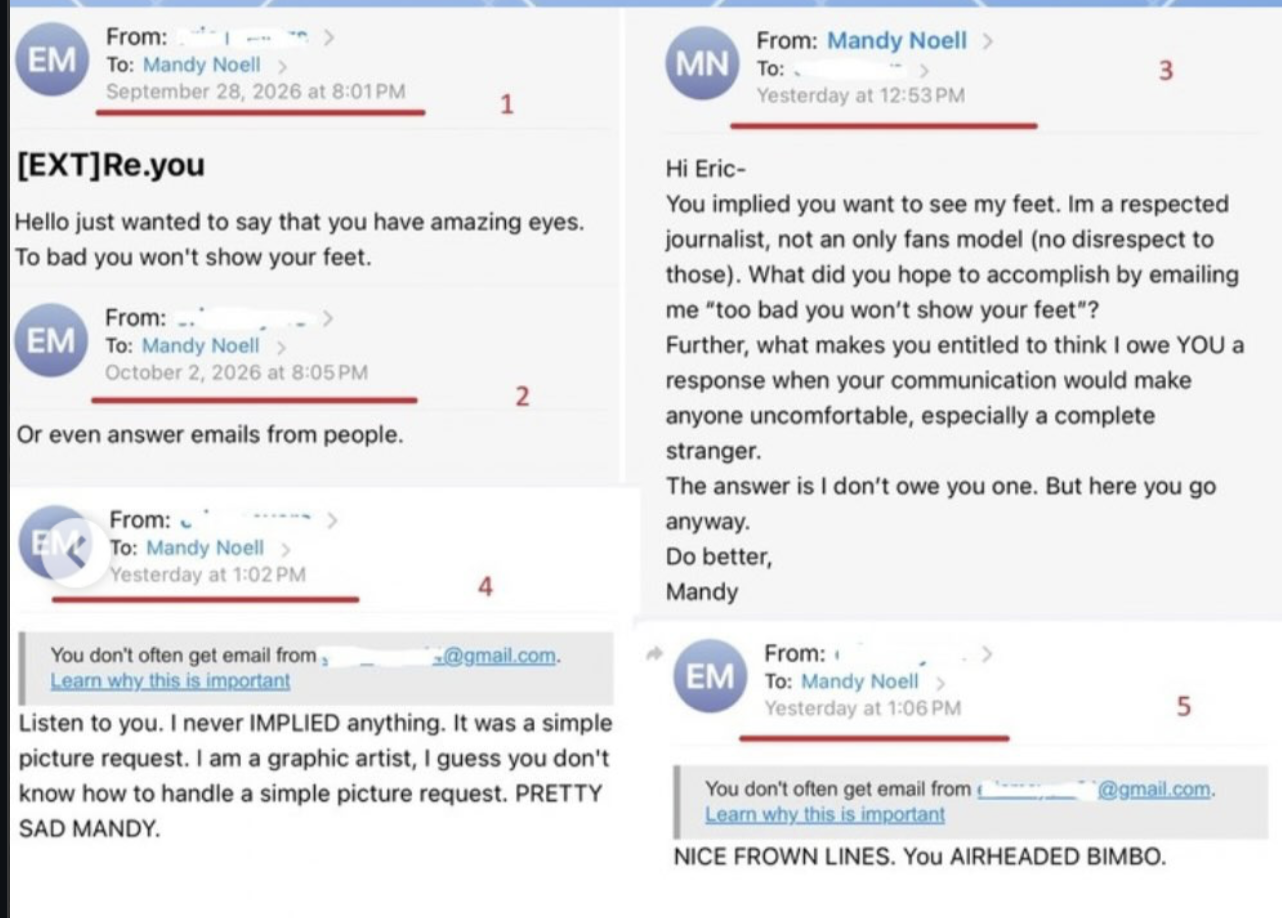
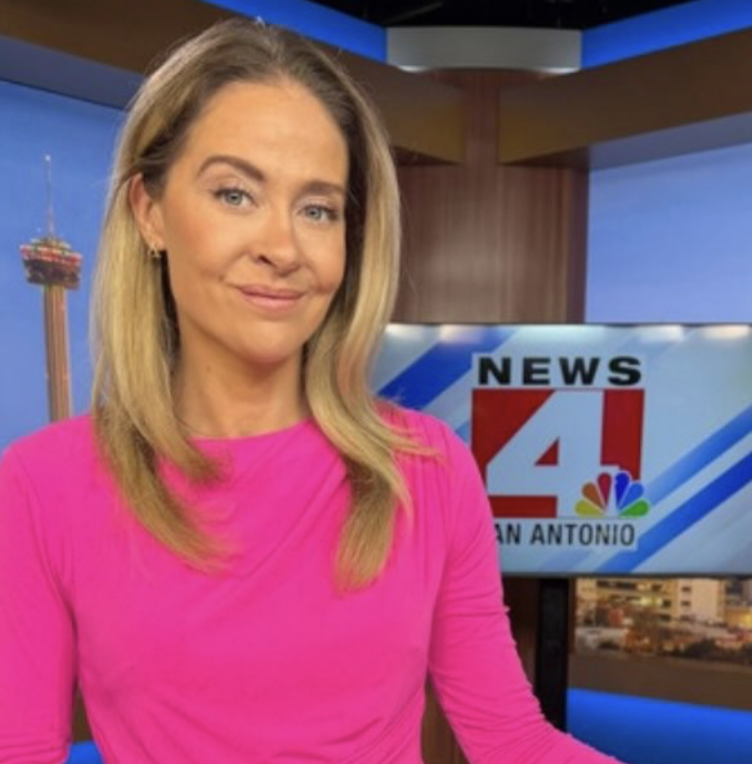
WOAI (San Antonio) Anchor/Reporter Mandy Noell got an email from a troll, who I guess wanted to see her feet. Look, I know that for some reason feet are a fetish, I just don’t get it.
Noell took to social media to basically say that wasn’t cool and she is completely right.
In her post, she writes, “Over the years, I’ve received comments about my body, my clothes, my hair, my weight, and my appearance. I’ve gotten messages that were sexual, threatening, and frightening. I’ve filed police reports. I’ve had strangers call the newsroom to tell me they were watching me. I have a massive box of letters I’ve kept because some crossed a line worth documenting.
And none of this is unique to me.
Ask almost any woman who works in a public-facing profession, and she probably has her own version of this story.”
I would like to say that it isn’t just women that get these emails or messages. Although, I would agree that it happens to women more often.
But, here at FTVLive, I have also gotten troll emails, and I have also contacted police in regards to some of the emails sent my way. I think any person, male or female, that works in the public eye is going to receive these messages from time to time.
Fortunately, no one has asked me to send a picture of my feet.
Noell makes some good points in her posts, and I hope it also shows many of you that you’re not the only one.
My best advice is to ignore the trolls as much as you can, because most just crave attention.
I’ll get an anonymous email, and the person will “dare” me to put the email on FTVLive. Yeah, like that’s going to happen.
When someone is trolling me, I tell them, if you have a real issue with me, just call or text me. And if you don’t have my number, then you really don’t know me at all. So, fuck off.
Here is Noell’s full post:
I’ve spent most of my adult life in a profession that requires me to be visible.
Most of the people I meet because of that are wonderful. You tell me about your families. You stop me at the grocery store to talk about something we covered. You hug me, I hug you. That connection is one of the privileges of this job.
But visibility can create a strange sense of familiarity — and sometimes, entitlement.
Over the years, I’ve received comments about my body, my clothes, my hair, my weight and my appearance. I’ve gotten messages that were sexual, threatening and frightening. I’ve filed police reports. I’ve had strangers call the newsroom to tell me they were watching me. I have a massive box of letters I’ve kept because some crossed a line worth documenting.
And none of this is unique to me.
Ask almost any woman who works in a public-facing profession and she probably has her own version of this story. Frankly, ask a lot of women who don’t work in public and they’ll have one too.
The exchange in this post is comparatively minor. It didn’t ruin my day. It didn’t hurt my feelings. It made me laugh, but that doesn’t excuse the context. What interested me was how quickly a stranger went from complimenting me, to requesting something from me, to expecting a response from me — and then insulting me when I challenged that expectation.
That progression is the point.
Seeing someone does not mean you know them. Knowing someone’s work does not mean you know them. And someone being publicly accessible does not make them personally available.
No one is owed another person’s attention, response or access. And a boundary — spoken or unspoken — does not require justification.
I love what I have built for myself. I’m not interested in becoming less visible, less outspoken or less myself to make someone else more comfortable with my boundaries.
Visibility is not an invitation. Attention is not access. And boundaries do not require justification.