

Overcoming a Voice Disorder
/
To be a Reporter, you basically need to look presentable and have a decent voice.
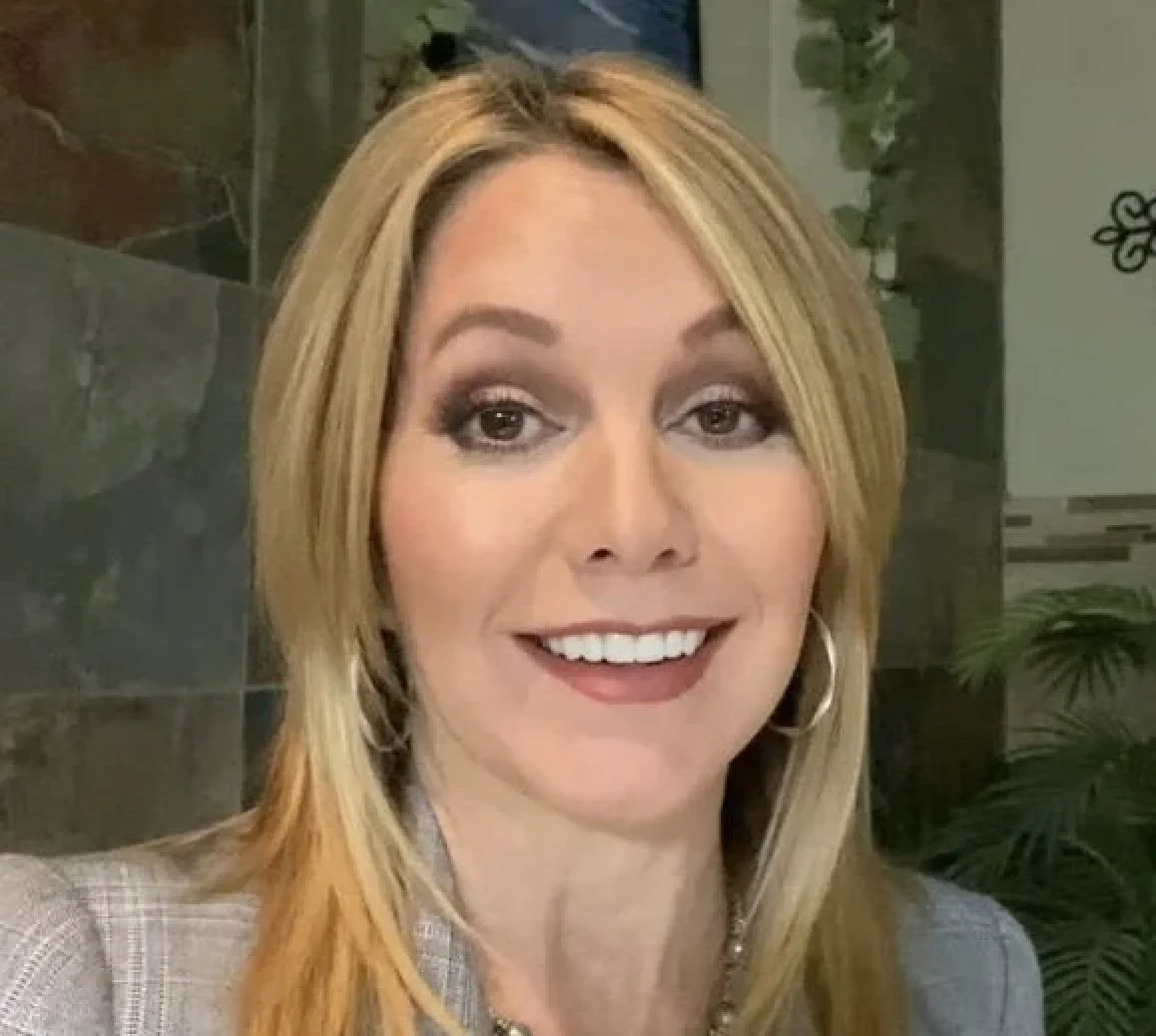
For KTBS (Shreveport) Health Reporter Linnea Allen, she is struggling with the voice part.
Allen says, “Even as the health reporter, I didn’t know anything about disorders of the voice. Until I was struck with them. Now, in hopes that it may help someone else, I’m sharing my story with you, and what I’ve learned in the year-and-a-half of trying to overcome them.”
Voice disorders typically occur when the vocal cords, and/or muscles in the throat stop working properly.
One such condition is spasmodic dysphonia.
“Spasmodic dysphonia is a neurologic voice disorder,” said Dr. Lesley Childs, a laryngologist and medical director for the Clinical Center for Voice Care at UT Southwestern Medical Center in Dallas, Texas. “It involves, basically, how the brain communicates with the voice box and affects conversational speech.”
“Childs is the third doctor I’ve seen and the first to offer treatment. She says mine is a complicated case, likely a combination of both spasmodic dysphonia and muscle tension dysphonia,” Allen said
“You are kind of this perfect illustration of a perfect storm,” Childs told her.
“On July 6, I’ll receive a full dose of Botox injections into my larynx. My team - Harris and Childs— and I are hopeful for a good outcome,” Allen adds.
“Prognosis is excellent,” Childs said.
Allen says, “There’s a reason I’m sharing this story with you now. After the injections into my larynx, I will be without a voice for up to 4 weeks, followed by speech therapy. So, I will be taking a leave of absence for six weeks beginning Tuesday. I am hopeful I’ll be back in the middle of August. In the meantime, I would gratefully appreciate your prayers, and I thank you for your patience and understanding.”
H/T KTBS