

Anchor Talks About His First Signs of Having Alzheimer's
/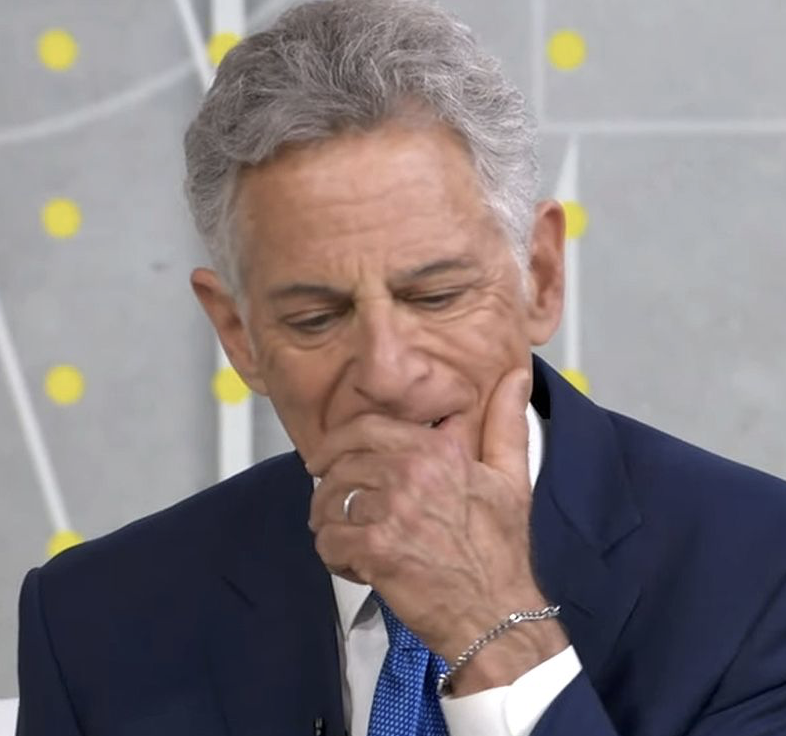
Longtime WABC anchor Bill Ritter stunned the New York market and the broader TV news industry when he announced on-air that he was stepping down from the anchor desk due to an early-stage Alzheimer’s diagnosis. Days after that emotional sign-off, Ritter is opening up about the subtle, early warning signs that told him something was wrong long before the doctors confirmed it.
Appearing on Good Morning America, the 76-year-old news veteran revealed that he first noticed memory lapses nearly two years ago. For a journalist who spent decades managing live breaking news and memorizing scripts, the initial red flags were distinct. Ritter recalled that he realized he was suddenly forgetting people’s names and places and could not understand why it was happening.
While his wife also noticed the subtle shifts, Ritter's colleagues and viewers remained completely in the dark. Like many driven professionals in this industry, his first instinct was to blame the grueling nature of the job. He initially assumed his demanding newsroom schedule and the everyday fatigue of broadcast journalism were responsible for the slips.
To manage what he thought was just standard burnout, Ritter began gradually scaling back his responsibilities at WABC. He first stepped away from the station’s 11 p.m. newscast, and later transitioned off the 5 p.m. broadcast, before ultimately receiving the medical diagnosis that changed everything.
While Ritter’s days of anchoring the 6 p.m. news at WABC are over, he is not leaving journalism behind. He plans to transition into a new reporting role at the station, turning his focus toward depth coverage of Alzheimer’s, patient care, and the steep financial burdens facing families dealing with the disease. It is a deeply personal mission for the anchor, who lost his own father to Alzheimer’s in 1998.
For newsrooms everywhere, Ritter's story is a heavy reminder of how health changes can creep up on even the sharpest broadcasters, and it proves that a great journalist never really stops reporting, even when facing their toughest assignment yet.