
It Feels Like We are Living in North Korea
/
While the map shows that we are in the United States, every day it starts to feel a little bit more like we are living under the dictatorship of North Korea.
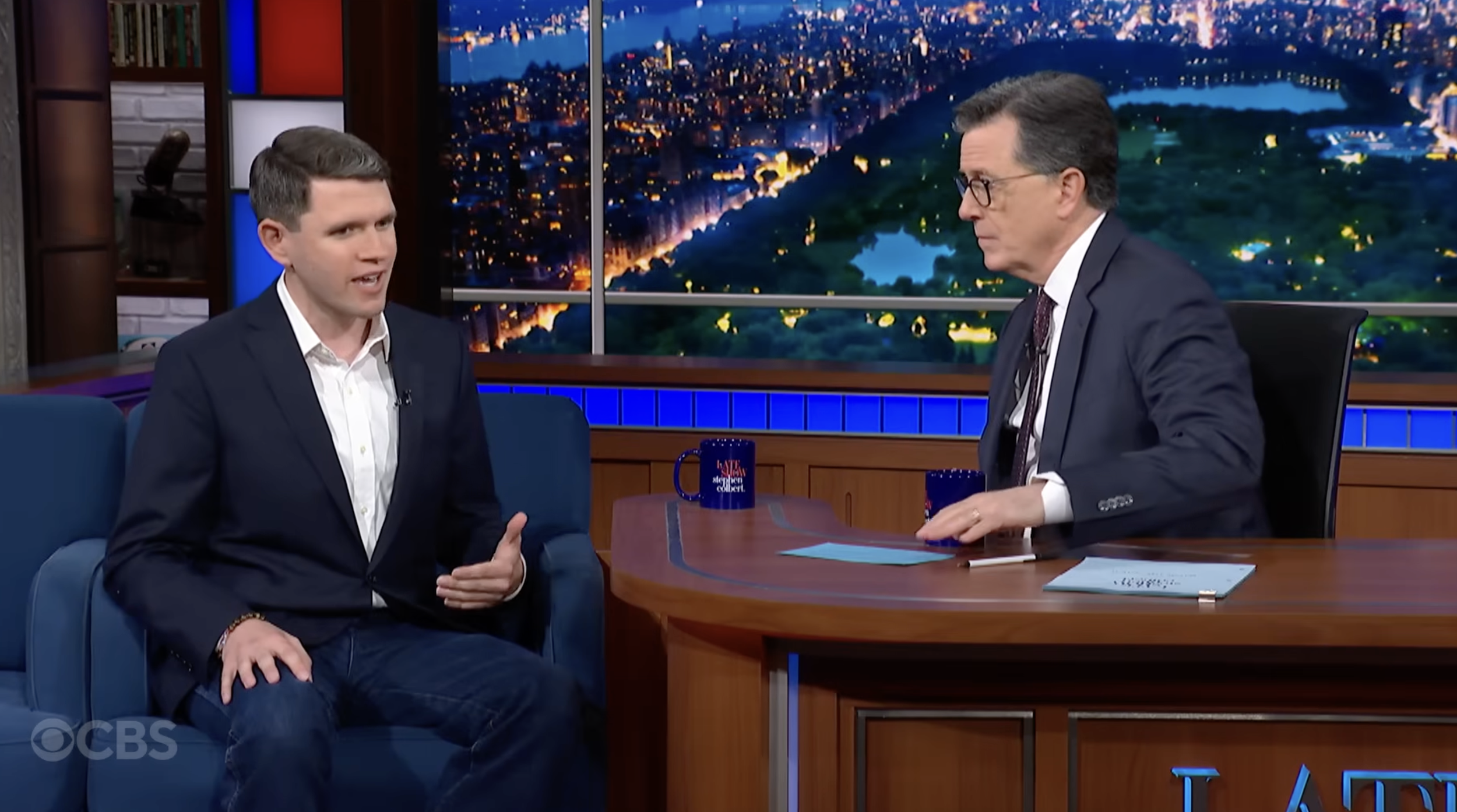
Case in point, last night CBS executives forced "The Late Show" to pull a scheduled interview with Texas State Representative James Talarico just moments before taping, citing fears of retaliation from the Trump-controlled Federal Communications Commission (FCC).
In a blistering on-air monologue on Monday night, host Stephen Colbert revealed that network lawyers had intervened to block the appearance of Talarico, a Democrat currently running for the U.S. Senate in Texas. According to Colbert, CBS legal counsel acted preemptively to avoid violating the "equal time" rule—a regulation that has traditionally exempted late-night talk shows under the "bona fide news interview" clause.
However, recent guidance from FCC Chairman Brendan Carr has signaled a shift in how the agency views such exemptions, specifically targeting programming he deems "motivated by partisan purposes." Fearing the loss of their broadcast license or heavy fines, CBS executives seemingly chose capitulation over confrontation.
"We were told in no uncertain terms by our network's lawyers, who called us directly, that we could not have him on the broadcast," Colbert told his audience, visibly frustrated. He added that he was also instructed not to mention the cancellation on air—an order he immediately defied.
"Because my network clearly doesn't want us to talk about this, let's talk about this," Colbert said. He then addressed the FCC Chairman directly: "Sir, you're chair of the FCC, so FCC you."
The move effectively silenced a rising Democratic voice on broadcast television just weeks before the Texas primary. Talarico, who eventually recorded the interview for the show's YouTube channel instead of the broadcast, didn't mince words regarding the network's decision.
"This is the party that ran against cancel culture," Talarico said in the online-only segment. "Now they're trying to control what we watch, what we say, and what we read. This is the most dangerous kind of cancel culture, the kind that comes from the top."
Critics are pointing to the incident as a chilling example of "anticipatory obedience," where media organizations self-censor to avoid drawing the ire of the administration. While the FCC did not issue a specific order banning Talarico, the climate of regulatory threat created by the agency was enough to make a major network blink, leaving viewers to wonder where the line between entertainment and state-approved programming now lies.