

CASHING IN WHILE CUTTING TO THE BONE
/
If you work in a local television newsroom right now, you know the drill.
Corporate suits at Sinclair, Nexstar, Gray, Tegna, and Scripps have spent the past few years crying poverty. They’ve blamed cord-cutting, soft automotive advertising, and tightening retransmission consent fees as excuses to slice payroll,eliminate veteran positions, freeze hiring, and force one-man-bands to crank out three packages a day with broken gear.
The corporate line is always the same: “We have to tighten our belts to survive the linear TV downturn.”
Well, a new report from The New York Times shows just how much money is actually flooding into station coffers right now—and it makes the ongoing cuts look more insulting than ever.
The $5.6 Billion Windfall
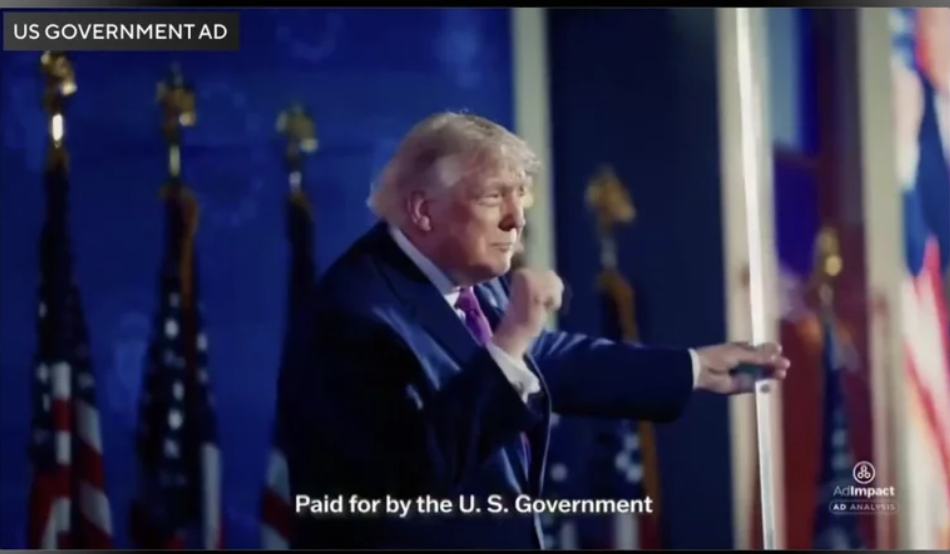
According to ad-tracking firm AdImpact, political ad spending across the country is projected to reach an eye-popping $11.6 billion this midterm cycle.
Where is that cash going? Despite endless corporate chatter about shifting ad dollars to digital and streaming, nearly half of that mountain of money—48 percent, or $5.6 billion—is pouring directly into good old-fashioned local broadcast TV.
To put that into perspective:
Local TV stations are taking in more political ad dollars than they did during the 2024 presidential election($5.3 billion).
S&P Global projects broadcast television advertising will finish 15 percent higher than the last midterm cycle in 2022.
Political ad cash alone is expected to make up a staggering 16.3 percent of total broadcast revenue this year—a record high for an off-year midterm.
Nowhere is the feeding frenzy more obvious than in Texas.
Between the Senate runoff, primaries, and the high-profile general election showdown between Republican Ken Paxton and Democrat James Talarico, more than half a billion dollars is being dumped into the Lone Star State. Stations in all 20 Texas media markets are gorging on ad buys.
In that Paxton-Talarico race alone, AdImpact reports that $220 million had already hit broadcast TV airwaves through late October. Backed heavily by Elon Musk, Paxton’s campaign and allied PACs have blanketed local stations to the point where commercial breaks in Texas routinely feature three Paxton spots for every one Talarico ad. Even Talarico's camp,which has focused heavily on social media, has directed 45 percent of its ad budget straight to broadcast.
Sales execs are celebrating. Sinclair’s SVP of national sales, Gregg Siegel, told the Times that viewers still tune in because “local anchors and reporters are trusted, familiar voices” who live in and represent the community.
Siegel is right that viewers tune in because of trusted local teams. But here is the part station ownership won't put in an earnings press release: that trust is being produced on a shoestring budget by burned-out journalists.
While ownership groups rake in billions from campaign war chests, newsroom staffers are working on skeleton weekend shifts, dealing with delayed equipment upgrades, and watching departed colleagues' jobs vanish into consolidation black holes.
Station ownership loves to wave the white flag when talking to Wall Street analysts about the slow death of linear TV. But as these midterm numbers prove, when political campaign season hits, broadcast television remains an unbeatable cash cow.
It’s just a shame none of that record-shattering revenue ever trickles down to the people actually making the shows.