

Lemon Squeezed
/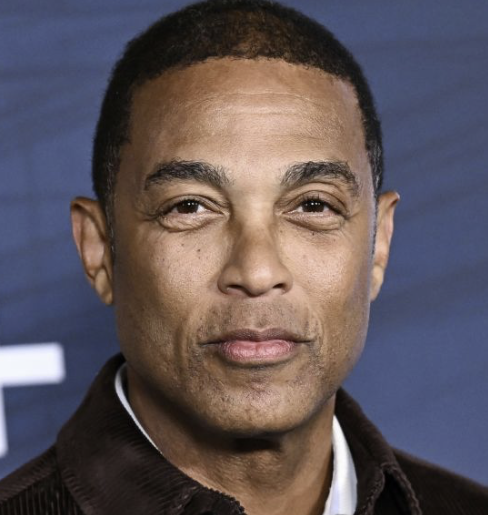
Former CNN host Don Lemon was arrested by federal authorities and charged with federal civil rights crimes in connection with a protest at a Minnesota church service earlier this month.
Lemon, 59, along with three others—Trahern Jeen Crews, Georgia Fort, and Jamael Lydell Lundy—was taken into custody "in connection with the coordinated attack on Cities Church in St. Paul, Minnesota," according to a post on X by Attorney General Pam Bondi. The Department of Homeland Security stated that Lemon has been charged with conspiracy and interfering with the First Amendment rights of worshipers.
While Lemon is often characterized as a member of the press, he is not a journalist per se; his tenure at CNN was defined by hosting an opinion show, and he currently functions as an independent commentator posting his views to social media. However, regardless of the distinction between objective reporting and opinion commentary, his arrest raises significant alarms regarding First Amendment protections.
Lemon’s attorney, Abbe Lowell, stated that his client was taken into custody by federal agents in Los Angeles while covering the Grammy Awards. Lowell argued that the focus on Lemon serves as a distraction from government actions in Minnesota.
"Instead of investigating the federal agents who killed two peaceful Minnesota protesters, the Trump Justice Department is devoting its time, attention and resources to this arrest, and that is the real indictment of wrongdoing in this case," Lowell said. "This unprecedented attack on the First Amendment and transparent attempt to distract attention from the many crises facing this administration will not stand."
The arrest of one of the country's most recognizable media figures comes amidst an unprecedented federal immigration crackdown in Minneapolis, during which two U.S. citizens have been shot and killed. The Justice Department had vowed to pursue charges against Lemon following his coverage of the January 18 protest at the St. Paul church.
Previously, a federal magistrate judge rejected a criminal complaint against Lemon—a decision that reportedly left Attorney General Bondi "enraged," according to a source familiar with the matter.
The charges against Lemon mirror those brought against three other individuals—Nekima Levy Armstrong, Chauntyll Louisa Allen, and William Kelly—who also disrupted the service. Demonstrators had gathered at the church because its pastor, David Easterwood, allegedly serves as the acting director of an ICE field office in St. Paul.
To justify the arrests of Lemon and the protesters, the federal government cited the Freedom of Access to Clinic Entrances (FACE) Act. While the statute is typically associated with prohibiting force or intimidation at reproductive health clinics, it contains provisions that also cover houses of worship.
Harmeet Dhillon, the Trump administration’s top DOJ Civil Rights Division official, acknowledged earlier this month that this application of the statute is historically novel.
"In all these years up until I was the assistant attorney general for civil rights, nobody ever used that houses of worship part to prosecute protesters or criminals blocking access to a house of worship, so we’ve started to do that," Dhillon explained in a video posted earlier this month.
Notable context for this legal strategy includes President Trump’s history of pardoning anti-abortion protesters previously prosecuted under the FACE Act, alongside the Justice Department’s dismissal of similar pending cases.