

Trump War on Public Broadcasting Claims Another Victim
/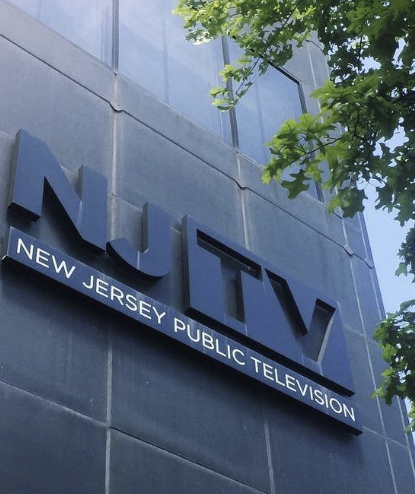
The devastating impact of the Trump administration's decision to defund public broadcasting is now coming into sharp focus, as New Jersey PBS is expected to cease all operations by July 2026, potentially leaving the entire state in a media blackout.
The station’s parent company, WNET, which operates New York’s flagship PBS station THIRTEEN, has decided not to renew its management agreement with its New Jersey counterpart. This move is a direct consequence of the Trump administration’s move to completely eliminate federal funding for the Corporation for Public Broadcasting (CPB), the financial backbone that supports public television stations across the United States.
While New Jersey is the first state poised to lose its dedicated public television station due to these cuts, critics warn it is unlikely to be the last. The elimination of federal funds has sent a shockwave through the public media system, threatening the existence of local stations nationwide that rely on CPB grants to serve their communities with educational, cultural, and public affairs programming.
For years, New Jersey's public broadcasting network, formerly NJN, has operated on shaky financial ground, a situation made worse when former Governor Chris Christie ended decades of state funding fifteen years ago. The state recently cut another $750,000. However, sources familiar with the station’s finances say that while the state-level cuts were damaging, the complete elimination of federal support by the Trump administration was the fatal blow. Without that foundational funding, the operating model for New Jersey PBS became unsustainable.
Employees at the station were called into a staff meeting today to be informed of the impending shutdown. The closure also raises questions about the future of its well-regarded digital news division, New Jersey Spotlight.
The shuttering of New Jersey PBS serves as a stark warning of the cultural and informational vacuum that could spread across the country as the full effects of the administration's defunding of public media are realized. As of now, unless a new non-profit funding source can be miraculously secured, the Garden State is on track to become a public television wasteland.